Addiction is a complex condition that affects individuals, families, and communities. Substance use disorders can begin subtly but may quickly escalate into serious physical, emotional, and social challenges if left unaddressed. One of the most effective ways to prevent long-term consequences is through early intervention in addiction treatment programs. When individuals receive help at the earliest stages of substance misuse, they are more likely to recover successfully and rebuild healthier lives. Early intervention focuses on identifying problematic substance use before it develops into severe addiction. Through timely support, counseling, and structured addiction treatment programs, individuals can regain control over their lives and avoid the damaging effects of prolonged substance abuse.
What Is Early Intervention in Addiction Treatment?
Early intervention refers to identifying signs of substance misuse and providing professional support before addiction becomes severe. Many people assume that treatment is only necessary when addiction becomes life-threatening, but the reality is that the earlier treatment begins, the more effective it can be.
Early intervention may include:
- Substance abuse screenings
- Professional evaluations
- Counseling and therapy
- Educational programs about substance use
- Referral to structured addiction treatment programs
These steps help healthcare professionals understand the extent of the problem and determine the most appropriate level of care.

Why Early Intervention Matters in Addiction Recovery
Substance use disorders can progressively worsen over time. What may start as occasional substance use can develop into dependency if not addressed early. Early intervention plays a critical role in preventing the escalation of addiction and reducing its long-term impact.
Here are several reasons why early intervention is so important.
-
Prevents Addiction From Becoming Severe
When substance misuse is detected early, treatment professionals can intervene before physical and psychological dependence develops. This reduces the likelihood of long-term addiction and increases the chances of successful recovery.
Individuals who enter addiction treatment programs early often require less intensive treatment compared to those who seek help after years of substance abuse.
-
Improves Long-Term Recovery Outcomes
Research consistently shows that early treatment significantly improves recovery outcomes. People who receive help sooner are more likely to complete treatment programs, maintain sobriety, and avoid relapse.
Early intervention allows individuals to address underlying issues, such as stress, trauma, or mental health challenges, that may contribute to substance use.
-
Protects Physical and Mental Health
Substance abuse can lead to serious health problems, including liver damage, heart disease, neurological disorders, and mental health conditions. Early intervention helps reduce these risks by preventing prolonged exposure to harmful substances. Timely support through addiction treatment programs can also help individuals address co-occurring mental health concerns such as anxiety or depression.
-
Reduces Social and Legal Consequences
Addiction can impact many areas of life, including relationships, employment, and legal standing. Individuals struggling with substance misuse may face job loss, financial difficulties, family conflict, or legal problems. Early intervention helps minimize these consequences by encouraging individuals to seek professional help before these problems escalate.
Common Signs That Early Intervention in Addiction Treatment Programs May Be Needed
Recognizing the early signs of substance misuse is an important step in seeking help. Some warning signs that may indicate a need for early intervention include:
- Increased tolerance to drugs or alcohol
- Using substances to cope with stress or emotions
- Changes in behavior or mood
- Declining work or academic performance
- Withdrawing from family and friends
- Engaging in risky or impulsive behaviors
If these signs appear, it may be beneficial to seek a professional evaluation to determine whether an addiction treatment program is necessary.

The Role of Professional Evaluations in Addiction Treatment Programs
Before beginning treatment, individuals often undergo a professional assessment to determine the severity of substance use. Evaluations may include:
- Clinical interviews
- Behavioral assessments
- Substance use screenings
- Mental health evaluations
These assessments help treatment providers design personalized addiction treatment programs that address each individual’s specific needs.
Professional evaluations also identify whether additional services, such as mental health counseling or behavioral therapy, should be included in the treatment plan.
Types of Early Intervention Approaches in Addiction Treatment Programs
Early intervention strategies can vary depending on the individual’s situation. Some common approaches include the following.
Brief Interventions
Brief interventions are short counseling sessions designed to help individuals recognize risky behaviors and make healthier choices. These sessions often focus on education, motivation, and goal setting.
Outpatient Counseling
Outpatient counseling allows individuals to receive professional support while continuing their daily activities. Therapy sessions may focus on coping strategies, behavioral changes, and relapse prevention.
Structured Addiction Treatment Programs
For individuals who require more comprehensive care, structured addiction treatment programs provide ongoing support through counseling, therapy, and recovery planning.
These programs may include:
- Individual therapy
- Group counseling
- Behavioral therapy
- Relapse prevention training
- Education on substance use and recovery
Structured programs help individuals develop healthier habits and build a strong foundation for long-term recovery.
How Families Can Support Early Intervention
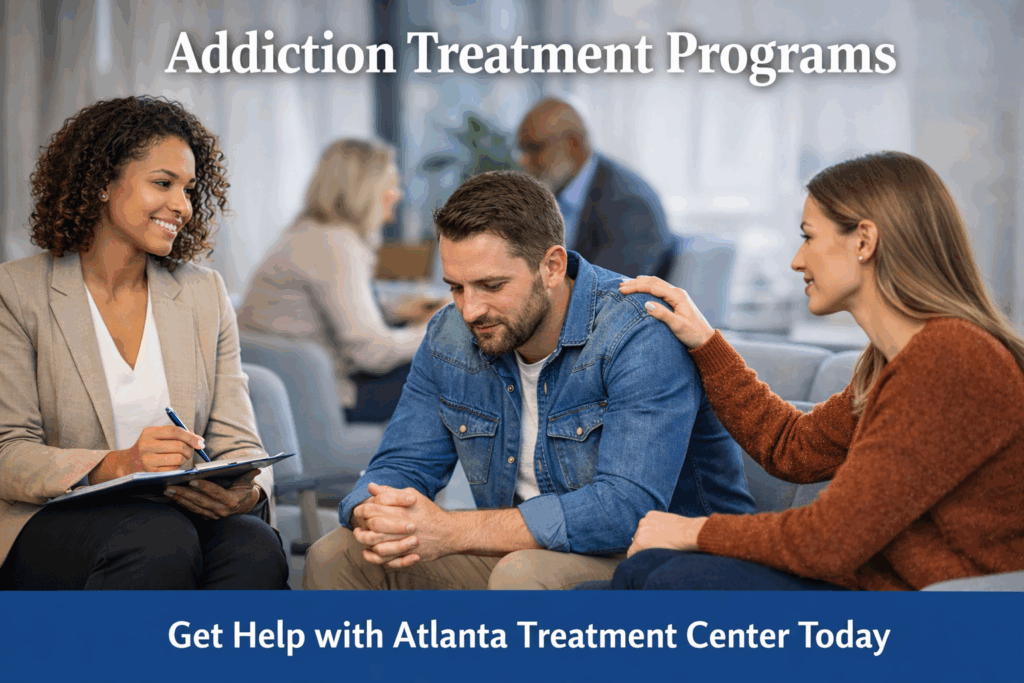
Family members often play an important role in recognizing the early signs of substance misuse. When loved ones express concern and encourage treatment, individuals may be more willing to seek help.
Families can support early intervention by:
- Having open and nonjudgmental conversations
- Encouraging professional evaluations
- Providing emotional support during treatment
- Learning about addiction and recovery
Supportive environments help individuals feel less isolated and more motivated to participate in addiction treatment programs.
Overcoming the Stigma Around Addiction Treatment
One of the biggest barriers to early intervention is stigma. Many people hesitate to seek help because they fear judgment or embarrassment. However, addiction is a medical condition that requires professional support, just like any other health issue. Education and awareness are essential for reducing stigma and encouraging individuals to seek help earlier. When communities understand that recovery is possible, more people feel empowered to pursue treatment.
The Long-Term Benefits of Early Intervention
Early intervention offers several long-term benefits for individuals and their families. These benefits include:
- Improved physical and mental health
- Stronger relationships
- Greater stability in employment and education
- Reduced risk of relapse
- Increased confidence and self-awareness
Individuals who participate in addiction treatment programs early often develop the skills and coping strategies necessary to maintain lasting recovery.

Get Early Intervention At Atlanta Treatment Center
Addiction rarely begins overnight, it often starts with subtle changes in behavior, habits, or coping patterns that gradually grow more difficult to control. The good news is that early intervention can dramatically change the outcome. When individuals recognize the warning signs of substance misuse and seek professional help sooner rather than later, they greatly improve their chances of recovery and long-term stability.
Structured treatment programs offer more than just temporary relief. They provide a supportive environment where individuals receive counseling, education, and personalized care designed to address the root causes of addiction. With the right guidance and therapeutic support, people can rebuild healthy habits, restore relationships, and regain control of their lives.
If you or someone close to you is showing signs of substance misuse, taking action early can make all the difference. Seeking professional help through a comprehensive addiction treatment program in Atlanta can be the first and most important step toward recovery. At Atlanta Treatment Center, experienced professionals are committed to helping individuals begin their healing journey with compassionate care and evidence-based treatment options. Don’t wait for addiction to take a deeper hold, reach out today and take the first step toward a healthier, substance-free future.
FAQs
What is early intervention in addiction treatment?
Early intervention refers to identifying substance misuse early and providing professional support before addiction becomes severe.
Why is early intervention important for addiction recovery?
Early intervention increases the likelihood of successful recovery and reduces the risk of long-term health, social, and legal consequences.
What happens in addiction treatment programs?
Addiction treatment programs typically include counseling, behavioral therapy, relapse prevention education, and support services designed to help individuals overcome substance misuse.
How can someone know if they need addiction treatment?
Warning signs include increased substance use, difficulty controlling use, changes in behavior, and negative effects on work, relationships, or health.
Can addiction be treated successfully?
Yes. With proper support, therapy, and structured treatment programs, many individuals successfully recover and maintain long-term sobriety.