Life can present challenges that are difficult to manage alone. Work-related pressure, family responsibilities, relationship difficulties, grief, anxiety, and major life changes can affect how people think, feel, and interact with others. When these challenges become overwhelming, individual therapy can provide a supportive environment to understand emotions, develop healthier coping strategies, and work toward personal goals.
For individuals looking for an individual therapy session in Decatur, GA, understanding how therapy works, what it can address, and what to expect can make the process feel less intimidating. Seeking professional support is not a sign of weakness. It is a positive step toward understanding yourself and improving your overall well-being.
What You Need to Know About Individual Therapy
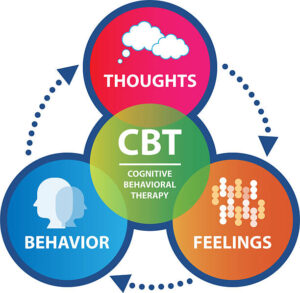
A therapy that helps people manage their problems by modifying their thoughts and behaviors. Typically used to treat anxiety and depression.
Individual therapy is a form of professional mental health support in which a person meets privately with a qualified therapist or counselor to discuss personal concerns, emotional difficulties, thoughts, and behaviors.
Unlike group therapy, which involves multiple participants, individual therapy focuses on one person’s experiences and goals. Sessions provide an opportunity to explore challenges, identify recurring patterns, and consider practical ways to respond to difficult situations.
An individual therapy session in Decatur, GA, may focus on managing stress, improving emotional awareness, navigating life transitions, addressing relationship concerns, or developing healthier responses to everyday difficulties.
The specific approach depends on the individual’s needs, the therapist’s qualifications, and the goals established during treatment.
Who Can Benefit From Individual Therapy?
Therapy can benefit people experiencing different challenges, whether they are dealing with a specific concern or simply want to understand themselves better.
Managing Stress and Anxiety
Ongoing stress can affect concentration, sleep, relationships, and daily responsibilities. Anxiety may also make it difficult to relax, make decisions, or feel confident in everyday situations.
Individual therapy can help people identify stress triggers, examine unhelpful thought patterns, and develop practical coping strategies. A therapist may introduce relaxation techniques, problem-solving skills, or approaches that encourage more balanced thinking.
Navigating Depression and Difficult Emotions
Persistent sadness, loss of interest in activities, low motivation, and feelings of hopelessness can make everyday life challenging. People may also struggle to explain what they are experiencing or know where to begin.
Individual therapy offers an opportunity to discuss these concerns in a supportive setting. A qualified mental health professional can help assess symptoms, explore contributing factors, and recommend appropriate care.
Therapy is not a guarantee of immediate improvement, but it can provide tools and structured support for working toward better emotional well-being.
Coping With Grief and Life Changes
Losing a loved one, ending a relationship, changing careers, or adjusting to a new stage of life can bring complicated emotions.
There is no single correct way to process grief or adapt to change. Individual therapy can provide space to talk through these experiences, recognize personal needs, and gradually develop ways to move forward.
Improving Self-Awareness and Personal Growth
Not everyone seeks therapy because of a mental health condition. Some people want to understand their reactions, build confidence, establish healthier boundaries, or improve how they communicate with others.
Through guided conversations and reflection, therapy can help individuals recognize patterns that influence their choices and relationships. Greater self-awareness may support more thoughtful decisions and healthier responses to future challenges.
What Happens During an Individual Therapy Session?
Knowing what to expect can help reduce uncertainty about attending your first appointment.
1. Discussing Your Concerns
An initial session often begins with a conversation about what brought you to therapy. The therapist may ask about current challenges, relevant personal history, relationships, and how your concerns affect everyday life.
You do not need to have every answer prepared. If you are unsure how to explain your feelings, you can begin with what has been most difficult recently.
2. Identifying Your Goals
The therapist may work with you to identify what you would like to change or better understand. Your goals might include managing anxiety, responding differently to conflict, coping with grief, or improving emotional regulation.
These goals can evolve as therapy progresses. The process should reflect your circumstances and priorities rather than follow a rigid plan.
3. Learning Practical Coping Strategies
Depending on your needs, sessions may involve exploring thought patterns, practicing communication skills, learning stress-management techniques, or identifying behaviors that contribute to ongoing difficulties.
Some therapists use approaches such as cognitive behavioral therapy (CBT), which examines relationships between thoughts, feelings, and behaviors. The methods used should be appropriate to your concerns and the professional’s training.
4. Reviewing Progress
Therapy is an ongoing process. During follow-up appointments, you and your therapist may discuss what you have learned, which strategies have been useful, and what challenges remain.
The frequency and duration of sessions vary according to individual needs, treatment goals, and professional recommendations.
How to Choose Individual Therapy in Decatur, GA
Finding a suitable therapist is an important part of the process. A helpful starting point is to consider the type of support you need and look for a professional whose qualifications and experience align with your concerns.
Before scheduling an appointment, consider the following factors:
* Professional qualifications: Confirm that the therapist holds the appropriate license or credentials for the services offered in Georgia.
* Areas of experience: Ask whether the professional works with concerns similar to yours.
* Therapeutic approach: Find out which methods may be used and how they relate to your goals.
* Privacy: Ask how your information is protected and what exceptions to confidentiality may apply.
* Practical arrangements: Discuss session fees, insurance, appointment availability, and whether in-person or virtual sessions are offered.
Feeling respected and understood can help establish a productive therapeutic relationship. It is reasonable to ask questions before beginning and to discuss concerns if the approach does not feel suitable.
Why Consistency Matters in Therapy
Meaningful personal change often takes time. Although some people gain useful insights early in the process, others may need ongoing support to understand longstanding patterns and practice new skills.
Attending sessions consistently, communicating openly, and applying appropriate strategies between appointments can help support progress. However, improvement does not always happen in a straight line, and setbacks do not necessarily mean therapy is failing.
A qualified therapist can help review your progress and adjust the approach when needed. The goal is to work collaboratively toward realistic outcomes that support your well-being.
Individual Therapy and Confidentiality
Privacy is an important consideration when seeking mental health support. Therapists generally follow professional and legal requirements designed to protect client information.
However, confidentiality has certain limits, which may include specific safety concerns or reporting obligations under applicable law. Your therapist should explain these limits and answer questions about how your information is handled.
Understanding these expectations can help you make an informed decision and feel more prepared to participate in sessions.
Take the First Step Toward Better Well-Being
You do not have to wait until your challenges become unmanageable before considering therapy. If stress, difficult emotions, relationship concerns, or major life changes are affecting your quality of life, speaking with a qualified professional may help you explore your options.
For anyone searching for an individual therapy session in Decatur, GA, taking time to research providers, ask questions, and identify personal goals can be a useful beginning.
Atlanta Treatment Center provides behavioral health services and support related to assessments, substance use evaluations, and other needs. Contact the center directly to confirm whether individual therapy is currently available and whether its services are appropriate for your circumstances.
Atlanta Treatment Center
Address: 1995 North Park Place, Suite 505, Atlanta, GA 30339
Taking the first step toward professional support can open the door to greater self-understanding, healthier coping strategies, and meaningful personal growth.
Navigating the complexities of substance abuse can be challenging, especially when legal implications are involved. This guide provides a comprehensive overview of…