
Family violence remains a serious public health and community issue, affecting individuals and families across all backgrounds. In Atlanta, a city known for its strong community networks and advocacy-driven organizations, family violence prevention programs play a critical role in protecting survivors, holding offenders accountable, and preventing future harm. These programs go beyond emergency response, they focus on education, intervention, rehabilitation, and long-term stability for families and communities. This guide explores how family violence prevention programs in Atlanta work, the services they provide, and why they are essential for building safer, healthier communities today.
Understanding Family Violence in the Atlanta Community
Family violence, sometimes referred to as domestic violence, includes patterns of abusive behavior within family or household relationships. This may involve physical, emotional, psychological, financial, or verbal abuse. The impact extends beyond individuals, affecting children, workplaces, healthcare systems, and the broader community. Atlanta’s diverse population and urban density make coordinated prevention efforts especially important. Family violence prevention programs are designed to address these challenges holistically, recognizing that safety, accountability, and education must work together to create lasting change.
What Are Family Violence Prevention Programs?
Family Violence Prevention Programs in Atlanta are structured, community-based initiatives that aim to reduce and prevent domestic and family violence through a combination of services. These programs are typically operated by nonprofits, government agencies, and certified service providers working in partnership with courts, law enforcement, healthcare systems, and community organizations. Rather than focusing on a single solution, these programs use a multi-layered approach, addressing immediate safety needs while also working to prevent future incidents.

Core Services Offered by Family Violence Prevention Programs in Atlanta
Atlanta provides a wide range of essential services designed to protect survivors, prevent further harm, and promote long-term safety for individuals and families. These core services work together to address immediate crisis needs while also supporting healing, accountability, and prevention. Below are some of the core services.

1. Crisis Intervention and Survivor Support
Immediate safety is the top priority. Many programs offer 24/7 crisis hotlines, emergency safety planning, and advocacy services to help survivors understand their options. Advocates often assist with navigating protective orders, accessing shelters, and connecting with essential resources.
2. Legal Advocacy and Court Support
Legal processes can be overwhelming. Family violence prevention programs frequently provide legal advocacy to help survivors understand court procedures, attend hearings, and access protective services. Collaboration with Atlanta-area courts ensures survivors are supported throughout the legal process.
3. Certified Family Violence Intervention Programs (FVIPs)
Atlanta offers certified Family Violence Intervention Programs, often structured as multi-week courses focused on accountability, behavioral change, and nonviolent communication. These programs are designed to reduce repeat offenses while prioritizing victim safety.
4. Counseling and Mental Health Services
Trauma-informed counseling is a cornerstone of effective prevention. Many programs provide individual counseling, group therapy, and referrals to licensed mental health professionals for survivors, children, and families affected by violence.
5. Children and Youth-Focused Services
Children exposed to family violence face long-term emotional and developmental risks. Prevention programs in Atlanta often include child advocacy, counseling, and age-appropriate education to support healing and resilience.
The Role of Prevention and Education
Prevention and education are foundational to reducing family violence and creating lasting change within communities. Rather than focusing only on crisis response, family violence prevention programs in Atlanta emphasize proactive strategies that help individuals recognize unhealthy patterns, build healthy relationships, and access support early. Through education, outreach, and skill-building initiatives, these programs empower individuals, families, and communities to prevent violence before it starts and to foster safer, more informed environments for everyone.
- Community Education and Outreach
Prevention starts with awareness. Atlanta-based family violence prevention organizations regularly conduct workshops, seminars, and outreach programs that educate communities about healthy relationships, warning signs of abuse, and available resources.
- School and Youth Programs
Early intervention is key. Many programs partner with schools, youth organizations, and faith-based groups to teach conflict resolution, emotional regulation, and respectful communication—skills that reduce the likelihood of future violence.
- Parenting and Family Strengthening Programs
Some initiatives focus on helping families build healthier dynamics through parenting education, stress management, and communication skills. These services are especially important for families navigating financial stress or major life transitions.
Trauma-Informed and Culturally Responsive Care
Atlanta’s population is diverse in culture, language, and lived experience. Effective family violence prevention programs prioritize culturally responsive services that respect individual backgrounds and reduce barriers to access. Trauma-informed care ensures that survivors are treated with dignity and understanding, recognizing how trauma impacts behavior, decision-making, and healing. This approach improves trust, engagement, and long-term outcomes.
Housing Stability and Economic Empowerment
Leaving an unsafe situation often comes with financial and housing challenges. Many family violence prevention programs in Atlanta collaborate with housing agencies, workforce development programs, and social services to help survivors achieve stability.
Services may include:
- Emergency and transitional housing referrals
- Employment readiness and job placement support
- Financial literacy and budgeting education
These supports are critical in helping survivors rebuild independence and reduce the risk of returning to unsafe environments.
Collaboration with Law Enforcement and Healthcare Providers
No single organization can address family violence alone. Atlanta’s prevention programs rely on strong partnerships with law enforcement, hospitals, social workers, and community leaders to ensure coordinated care.
Healthcare providers often play a key role in identifying early warning signs, while law enforcement partnerships help ensure accountability and safety. This collaborative model improves response times and long-term prevention outcomes.
Measuring Impact and Long-Term Outcomes
Effective family violence prevention programs focus on measurable results, including:
- Reduced repeat incidents
- Increased survivor safety and stability
- Improved access to mental health and legal services
- Greater community awareness and engagement
By combining accountability, education, and support, these programs help break cycles of violence and promote healthier family relationships across Atlanta.

Why Family Violence Prevention Programs Matter How Atlanta Treatment Center Can Help Today
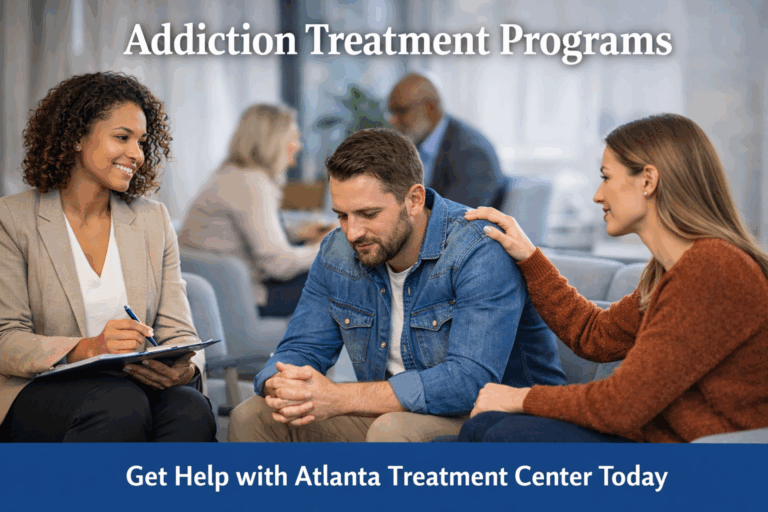
Family violence prevention programs in Atlanta are not just reactive services, they are proactive solutions that strengthen families and communities. By addressing root causes, supporting survivors, and promoting accountability, these programs create pathways to healing and long-term safety. Everyone deserves to feel safe, respected, and supported, especially within their own family. If you or someone you care about needs guidance, evaluation, or professional support, Atlanta Treatment Center is here to help. our experienced team provides confidential, compassionate services designed to support personal growth and long-term change. Taking the first step today can make a life-changing difference. Reach out to Atlanta Treatment Center and be part of building safer homes and stronger families across Atlanta. dignity, and helping families heal. Through education, counseling, and structure